SKILLS TEENS
CAN PRACTISE.
JUDGMENT THEY OWN.
The group chat goes quiet. Lunch plans change. Your teen says “fine” and closes the bedroom door. OWR gives them short, teen-facing Playbooks for the next move — and gives you a separate Parent Hub so you can help without taking over.
TEEN-FACING PLAYBOOKSSEPARATE PARENT GROWTH GUIDANCE
Old Wisdom // Retold helps teens handle more of real life for themselves. A Playbook gives the teen language and one small move for the unread message, the hard conversation or the boundary that needs holding. Parent Hub helps the adult see the moment clearly, guide lightly and return the next decision.
CHOOSE YOUR PATH
This page is for the parent choosing what to offer. The Playbooks speak to the teen; Parent Hub speaks to you.
THE MOMENT IS CONCRETE.
THE SKILL CAN BE TOO.
A message goes unanswered. A friend stops appearing at lunch. You ask what happened; your teen says “nothing.” That is not proof they are rude, lazy or unlikeable.
The missing step may be smaller: how to reopen a conversation, check whether the other person has space, hold a boundary, or recover after an awkward attempt.
“Be more confident” is too vague to practise. One clear move gives a teen something they can try, review and choose for themselves.
SEE THE CHAPTER RHYTHM
BEFORE YOU BUY
Every chapter moves through the same practical rhythm: a real pressure scene, one clear strategy, and a small action to run this week.
START WHERE THE MOMENT GETS HARD.
A familiar situation puts the strategy in context before any explanation begins: the silent lunch table, the unread message, the group that suddenly changes tone.
ONE IDEA. CLEAR ENOUGH TO REMEMBER.
The chapter reduces an old principle to one usable move, explains why it works, and shows where it can go wrong when it becomes forced or manipulative.
RUN ONE REP THIS WEEK.
The finish is practical: one conversation to start, one signal to notice, one boundary to rehearse, or one visible action to complete without grading the outcome.
PRACTICAL MOVES
WITHOUT USING PEOPLE
The Group Chat Goes Quiet
Notice the change, check the pattern and resist pretending one unread message reveals another person's mind.
There Is No Easy Seat at Lunch
Use what is already happening to make one small opening without trying to perform a different personality.
Something Needs to Be Asked
Make the request clear, listen to the answer and leave the other person free to choose.
A Conflict Starts Running Hot
Slow the exchange, protect options and choose whether to answer, repair, leave or return later.
A Boundary Keeps Getting Pushed
State what is not okay without threats, humiliation or turning strength into domination.
The First Attempt Feels Awkward
Treat it as information, change one thing and decide whether another attempt is worth making.
Strength without cruelty.
Confidence without arrogance.
Influence without manipulation.
Strategy without dehumanising people.
The Empathy Test: does this move protect dignity, preserve choice and leave room for a shared win?
SUPPORT THE GROWTH.
DO NOT TAKE IT OVER.
Parent Hub is the separate parent-facing layer of OWR. It is not a generic parenting blog, and it does not turn every concern into a book recommendation. It helps adults support capability while long-term ownership stays with the teen.
- SEESeparate what happened from the story you are tempted to tell about it.
- UNDERSTANDMake room for context, development and your teen's perspective.
- REFLECTNotice how your own urgency, fear or habits shape the moment.
- GUIDEOffer one bounded prompt, practice or scaffold.
- RELEASEReturn an appropriate decision, consequence or next move as capability grows.
The teen owns the book, the interpretation, the practice and the next move. A parent can make space, ask one honest question and then step back.
HAND OVER THE TOOL.
KEEP THE CHOICE WITH THE TEEN.
The Playbooks are written to the teen. They work best as an available tool — not an assignment, diagnosis or hidden parenting programme.
WHAT HELPS
- Offer a choice of Playbook or chapter around a real challenge.
- Let your teen read privately, use their own words and ignore what does not fit.
- Ask permission before discussing a chapter — “Was anything useful?” is enough.
- Let the teen choose one small rep and decide what the result means.
WHAT TO AVOID
- Assigning a chapter as correction after a mistake.
- Quoting the book back during an argument.
- Using an idea to label, diagnose or test your teen.
- Turning every rep into a progress report or grade.
The Playbook belongs to the teen. Parent Hub is where adults do their own learning.
CHOOSE THE CHALLENGE
THAT IS REAL NOW
Each book turns durable ideas into 30 short chapters and practical reps. They are tools for teens — not parenting manuals, and there is no need to buy the whole series at once.
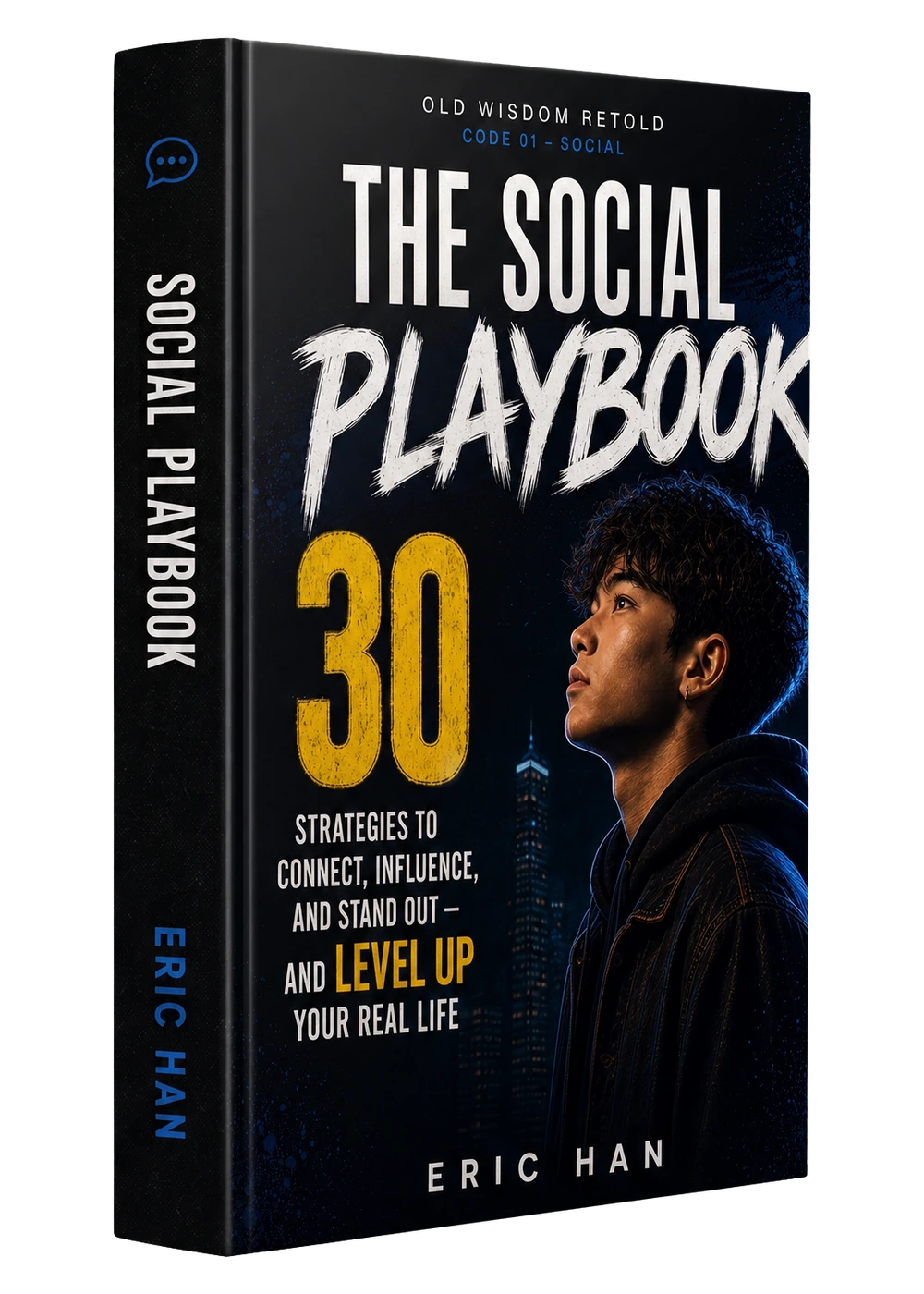
THE SOCIAL PLAYBOOK
Connection, conversation, social context and ethical influence — rebuilt for group chats, school corridors and everyday teen life.
GET IT ON AMAZON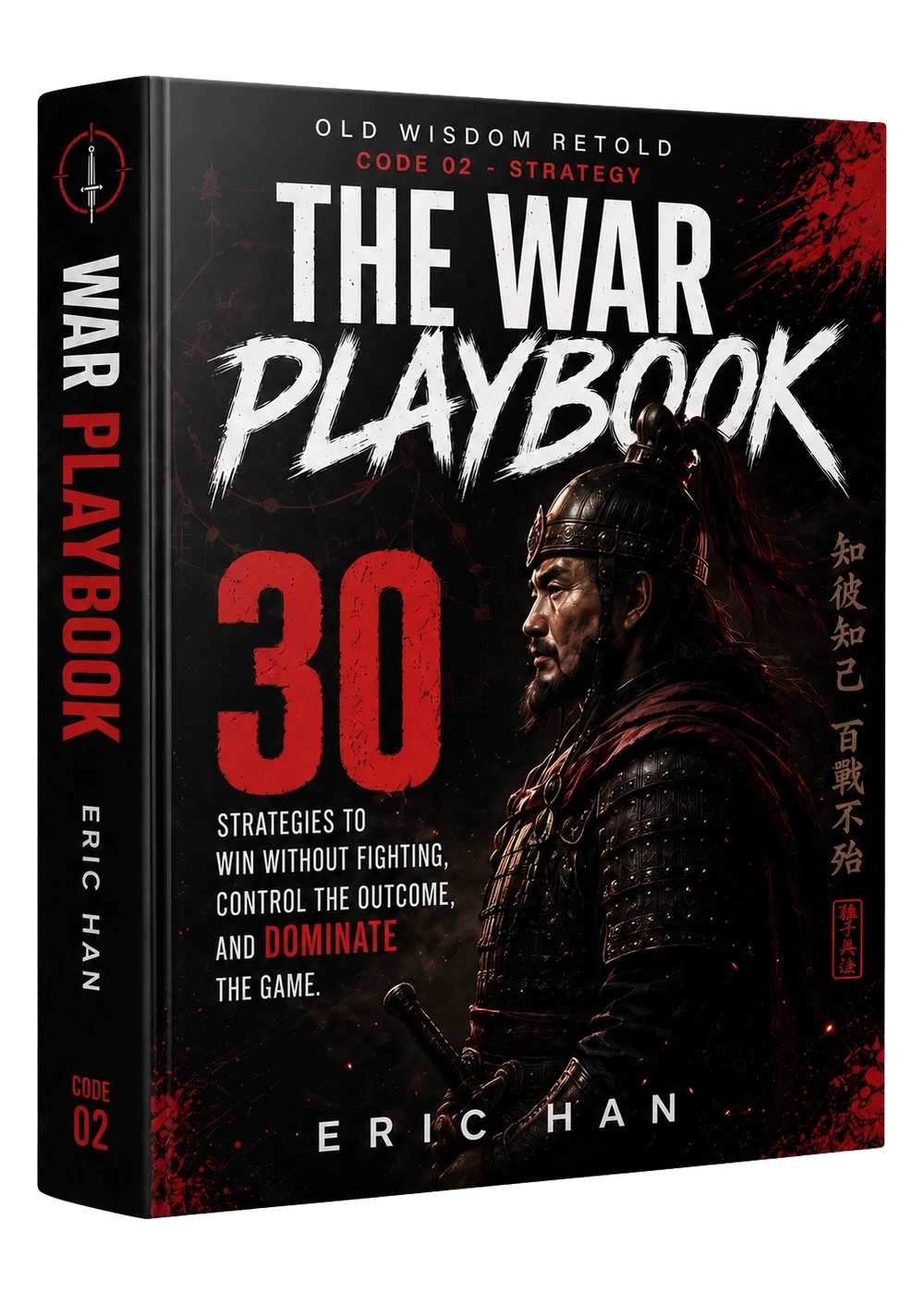
THE WAR PLAYBOOK
Composure, boundaries, de-escalation and choosing conflicts wisely — Sun Tzu reframed for bullies, pile-ons and pressure.
GET IT ON AMAZON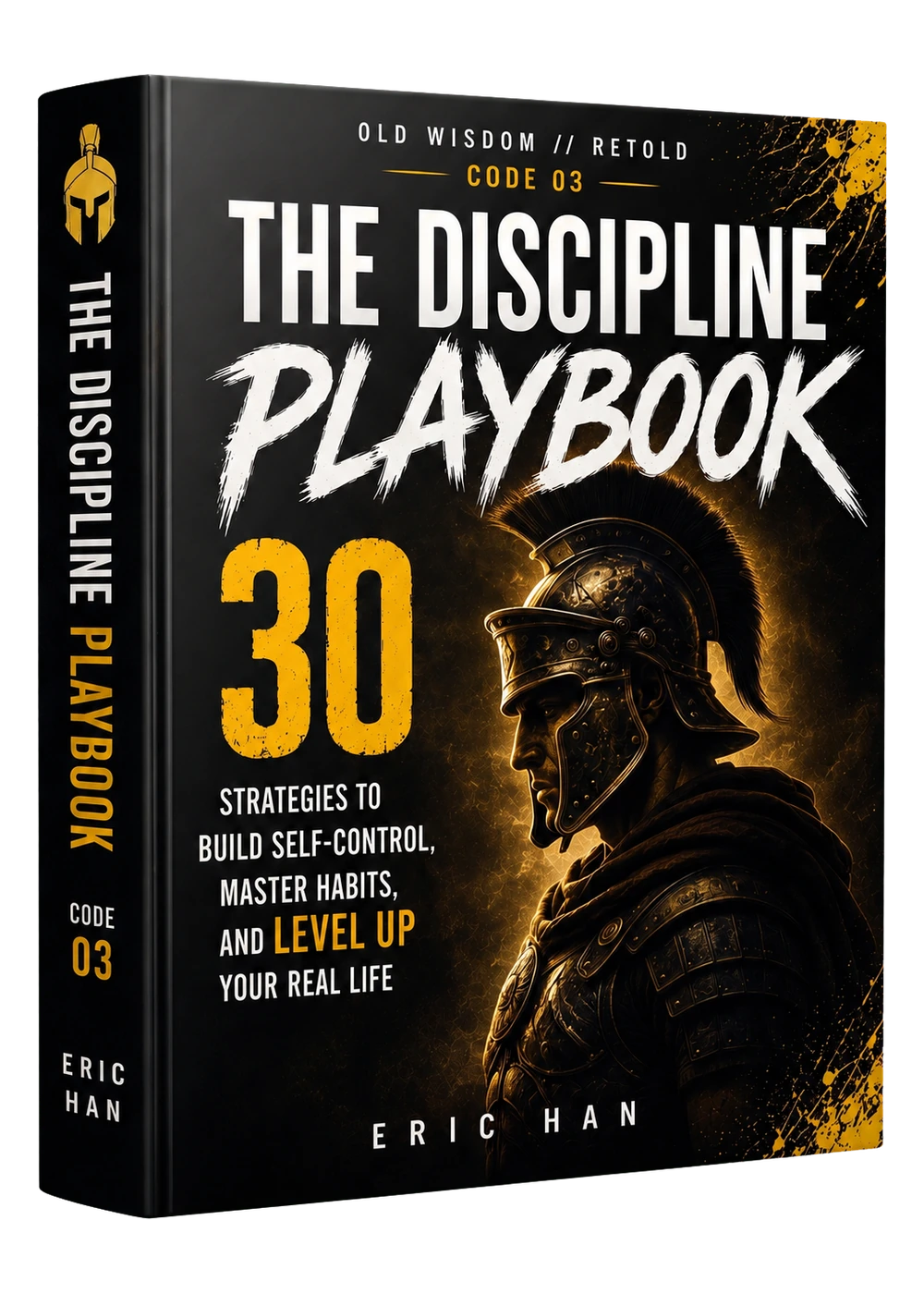
THE DISCIPLINE PLAYBOOK
Habits, attention, follow-through and self-command — helping teens act on what matters without waiting for motivation.
HELP THE NEXT
FAMILY DECIDE.
Real reader evidence matters more than borrowed authority. If you have read a Playbook, leave a candid Amazon review: what helped, what did not, and who you think the book fits.
There is no reward and no request for a positive rating — only an honest account from a real reader.
NOT SURE WHERE TO START?
Use the free 15-question reflection to notice patterns across connection, social context, influence, conflict and confidence. Choose the teen or parent path and see one useful place to begin.
TAKE THE FREE QUIZAbout 4 minutes · Free · Informational, not a clinical or psychological assessment
Parent Questions, Answered
What is Old Wisdom // Retold?
Old Wisdom // Retold is a teen-growth platform. Its Playbooks turn durable ideas from strategy, philosophy and psychology into short practices for teens aged 12–17. Its separate Parent Hub helps adults support growth without taking ownership away.
Are the Playbooks written for parents?
No. The Playbooks speak directly to teens aged 12–17. Parent education lives separately in the Parent Hub, where adults can learn how to guide without turning a teen's book into an assignment, diagnosis or monitoring tool.
How should a parent introduce a Playbook?
Offer it as an optional tool around a real challenge, then step back. Let the teen choose what to read, what to try and whether to discuss it. Do not assign chapters after mistakes, quote the book during arguments or grade the outcome.
Is The War Playbook appropriate for a 12-year-old?
Yes. It reframes Sun Tzu around composure, de-escalation, boundaries and choosing which conflicts not to enter. It does not glorify violence.
Does Old Wisdom // Retold teach manipulation?
No. The Playbooks pair practical strategy with empathy, respect and choice. A useful move should protect dignity and leave room for a shared win.

Why a Dad Wrote This
I'm Eric Han — Auckland dad, cybersecurity professional, lifelong manga reader. I wrote this series for my quiet, introverted son, because I recognised his struggle as my own. Every chapter is tested on him first. If he puts it down, I rewrite it.
The wisdom in these books is centuries old. I couldn't find the version he needed for life in group chats. So I wrote it.
READ CHAPTER 1 BEFORE YOU DECIDE
Get the first chapter by email and see whether the tone, rhythm and practical format fit your teen. You'll also receive occasional series updates, including news about Book 3.
No spam. Unsubscribe anytime. Your email stays private.
START WITH THE NEXT
USEFUL STEP.
Offer a teen-facing Playbook when they want a tool. Use Parent Hub when you need to understand the moment first. If the starting point is unclear, the quiz can help.